5 Practical Steps to Improve Software Delivery (Without Adding More Process)

Published on 2 April 2026 by Zoia Baletska
Software delivery rarely fails because teams don’t work hard enough. More often, the issue is a lack of clarity: where time is going, what is slowing things down, and which changes actually improve outcomes.
Teams adopt new tools, introduce ceremonies, or reorganise workflows, hoping something will move the needle. Sometimes it does, briefly. Then things settle back into familiar patterns—long cycle times, unpredictable releases, and growing frustration.
Improving delivery isn’t about adding more layers. It’s about making the system visible and adjusting it with intent. The following five steps focus on that shift.
1. Make the Work Visible Beyond “In Progress”
Most teams already track work in a ticketing system, but visibility often stops at status labels: To Do, In Progress, Done. That view hides the most important question—what actually happens between those states.
When you look closer, you start to see delays that don’t show up in dashboards:
-
Tickets waiting for clarification
-
Work blocked by dependencies
-
Reviews sitting idle
-
Tasks reopened after partial completion
These are not edge cases. They are the system.
Improvement starts when teams track how long work takes in each phase and where it stalls. Not as a one-time exercise, but continuously. Patterns begin to emerge: maybe reviews take longer than development, or maybe most delays happen before coding even starts.
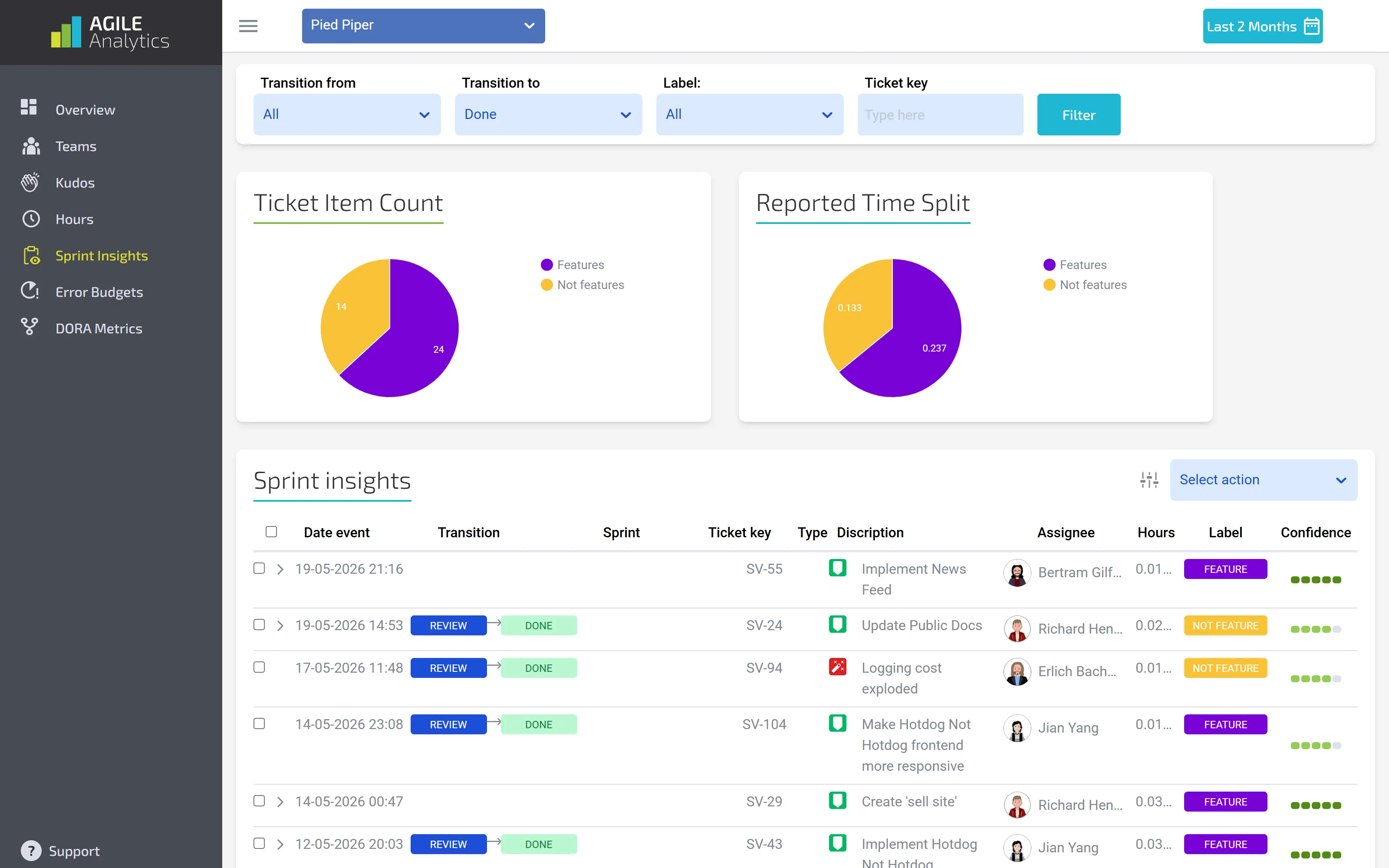
This is where platforms like Agile Analytics come in. By connecting directly to your delivery tools, they surface flow patterns without requiring manual tracking, turning what used to be guesswork into something teams can actually act on.
2. Reduce Waiting Time, Not Just Coding Time
A common instinct is to optimise development speed—better tools, faster builds, more automation. Those changes help, but they rarely address the biggest source of delay: waiting.
Work spends more time waiting than being actively developed.
It waits for:
-
Requirements to be clarified
-
Reviews to be completed
-
Dependencies to be unblocked
-
Decisions to be made
When teams focus only on how fast code is written, they miss the opportunity to shorten the overall delivery cycle.
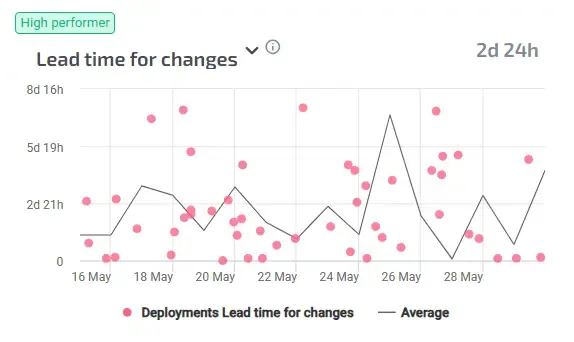
A more effective approach is to look at end-to-end flow time and ask where work pauses. Reducing a two-day coding task to one day matters less if the ticket still spends five days waiting for review.
-
Improving delivery often means making small adjustments:
-
Defining clearer ownership for reviews
-
Reducing handoffs between teams
-
Breaking work into smaller pieces that move faster
The goal is not speed in isolation, but smooth, continuous flow.
3. Balance Features and Maintenance Work
Every team wants to deliver features. That’s where visible progress happens. But over time, non-feature work—bug fixes, refactoring, operational tasks—starts to dominate.
When this balance shifts too far, delivery slows down in subtle ways:
-
More time spent fixing than building
-
Increased cognitive load from fragmented tasks
-
Reduced sense of progress within the team
Tracking the features vs. non-features ratio gives teams a clearer picture of how their effort is distributed. It is not about forcing a perfect balance, but about understanding what is happening.
Agile Analytics approaches this by analysing ticket data and learning how to classify work automatically. Teams can refine classifications over time, so the system reflects their context rather than imposing a rigid definition.
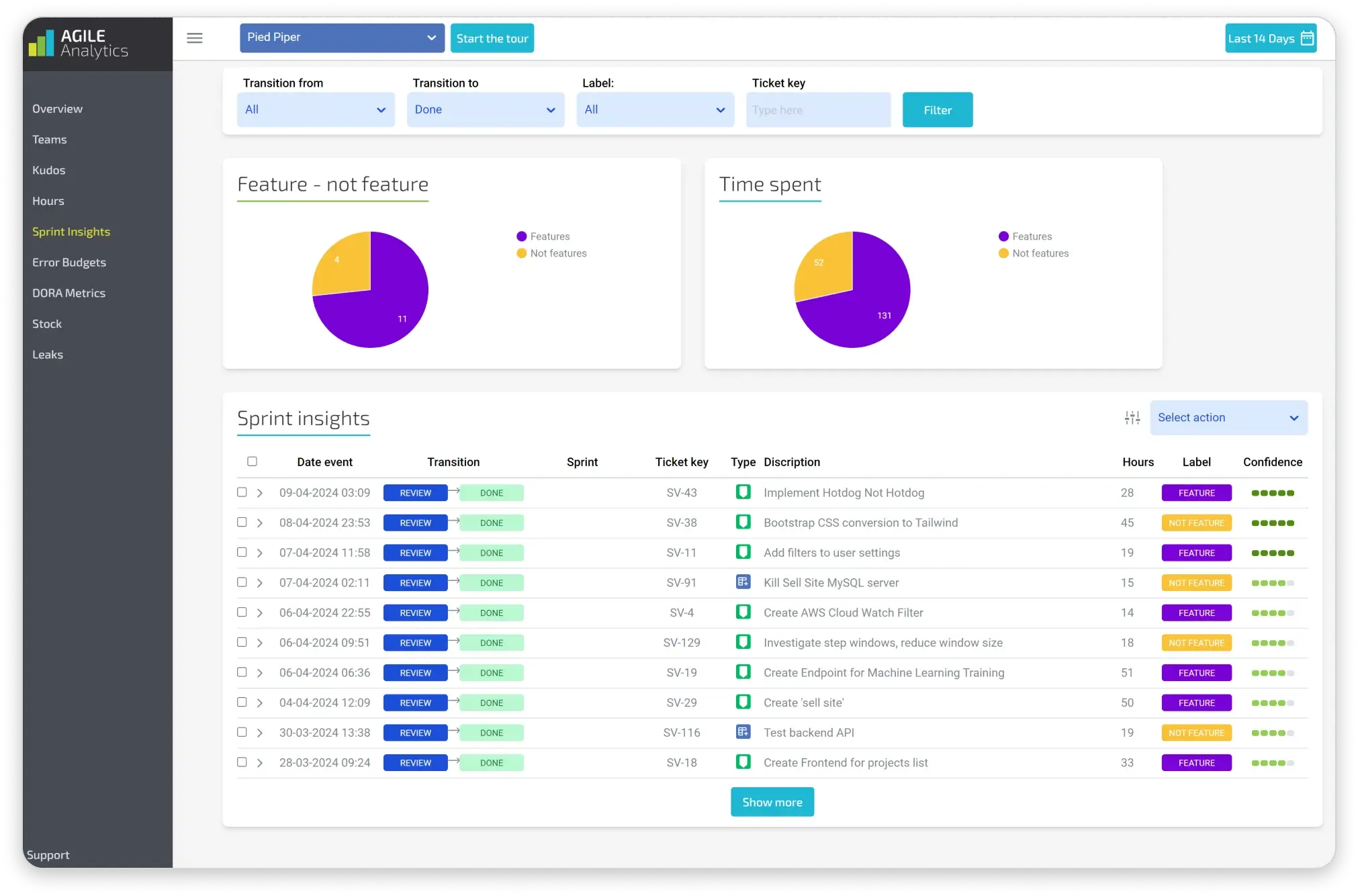
Once the ratio is visible, it becomes easier to ask better questions:
-
Are we investing enough in reducing technical debt?
-
Are we over-prioritising short-term fixes?
-
Is maintenance work crowding out strategic development?
The answers shape more realistic planning and more sustainable delivery.
4. Connect Delivery Metrics to Outcomes
Metrics like cycle time, throughput, or deployment frequency are useful, but only when they are connected to something meaningful.
Without that connection, teams may optimise for numbers rather than outcomes:
-
Increasing throughput by splitting work artificially
-
Reducing cycle time without improving quality
-
Deploying more often without delivering value
The real question is not how fast something moves, but what that movement achieves. For example:
-
Does faster delivery reduce time to market for key features?
-
Does improved flow lead to fewer production issues?
-
Are teams able to respond to changes more effectively?
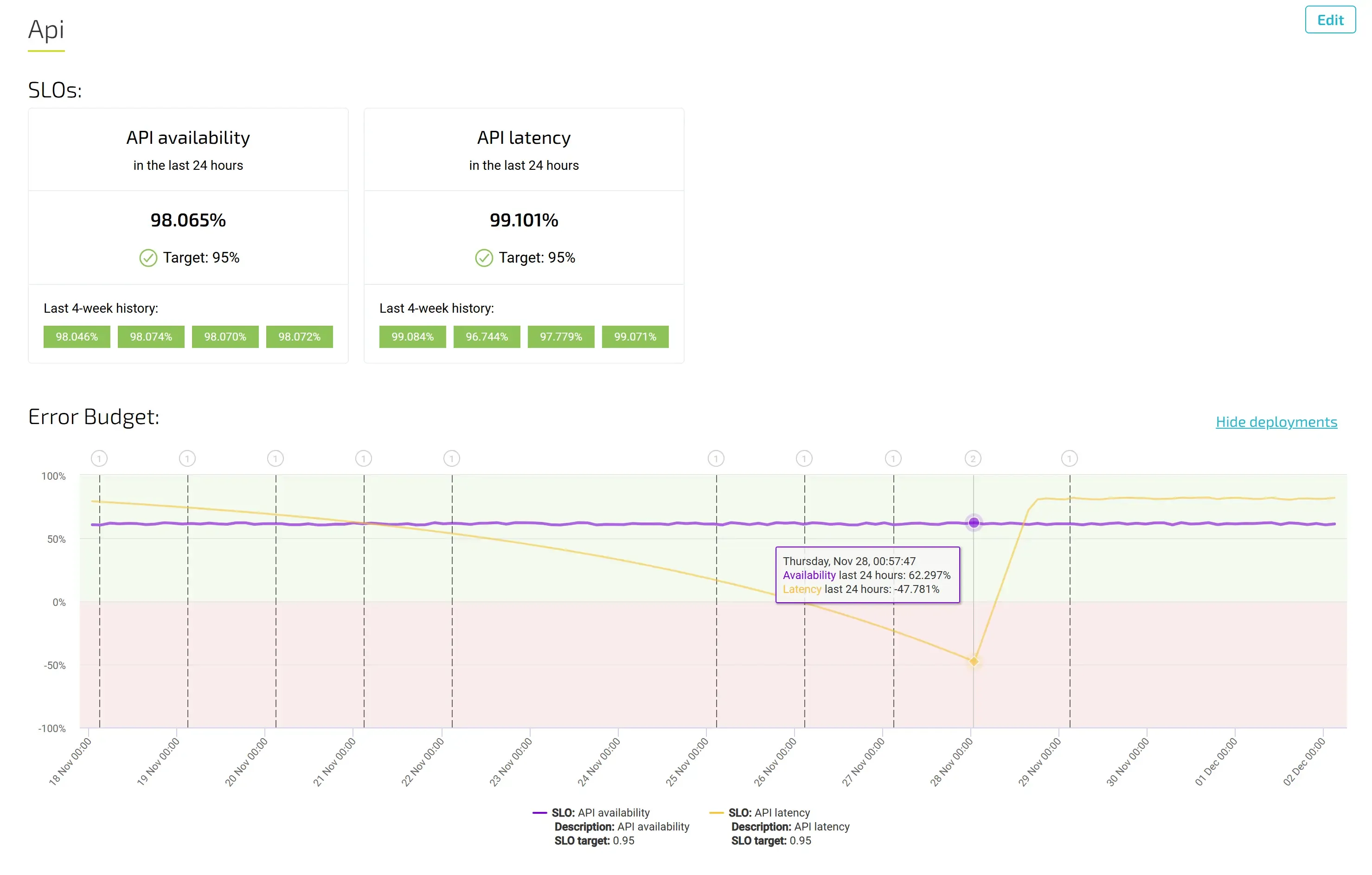
This is where combining delivery data with broader signals—reliability, developer experience, or business impact—changes the conversation.
Agile Analytics is built around that idea: connecting engineering activity with outcomes, so teams can see not just how they work, but what it leads to.
5. Turn Insights Into Small, Continuous Changes
Data alone does not improve delivery. What matters is how teams use it.
Large transformation initiatives often fail because they try to change too much at once. In contrast, small, targeted adjustments tend to stick:
-
Reducing review turnaround time by setting expectations
-
Limiting work in progress to avoid overload
-
Adjusting the sprint scope based on observed capacity
These changes are easier to test, measure, and refine.
The key is consistency. When teams regularly review their delivery data and make incremental improvements, the system evolves naturally. Over time, those small shifts compound into significant gains.
A Different Way to Think About Improvement
Improving software delivery is not about chasing best practices or copying what works elsewhere. It is about understanding your own system—how work flows, where it slows down, and what trade-offs shape your outcomes.
That requires visibility, context, and the ability to connect data across tools and teams.
At Agile Analytics, the goal is to make that understanding accessible. By bringing together delivery metrics, AI-driven insights, and real-world context, teams can move beyond intuition and make decisions grounded in how their system actually behaves.
The result is not just faster delivery, but more predictable, sustainable progress.
Supercharge your Software Delivery!
Implement DevOps with Agile Analytics
Implement Site Reliability with Agile Analytics
Implement Service Level Objectives with Agile Analytics
Implement DORA Metrics with Agile Analytics